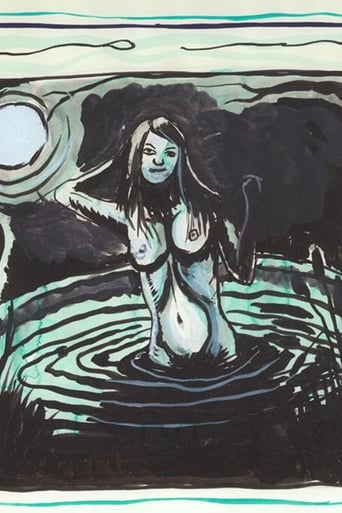
On Peekr: Kappa (1986)
Kappa (1986) — be among the first to watch, rate, and discuss it with the Peekr community.
Be the first to rate this title on Peekr.
TMDB: 7.0/10 (1 votes)
No streaming platforms listed yet. Peekr users will add availability as it becomes known.
Frequently asked questions
- What is Kappa about?
- Deconstructing the myth of Oedipus within the framework of an ancient Japanese folk story, the Yonemotos craft a highly charged discourse of loss and desire. Quoting from Bunuel, Freud, pop media and art, they place the symbology of Western psychosexual analytical theory into a cross-cultural context, juxtaposing the Oedipal and Kappa myths in a delirious collusion of form and content. The Kappa, a malevolent Japanese water imp, is played with eerie intensity by artist Mike Kelley; actress Mary Woronov plays Jocasta as a vamp from a Hollywood exploitation film. Steeped in perversions and violent longings, both the Kappa and Oedipus legends are presented in highly stylized, purposefully "degraded" forms, reflecting their media-exploitative cultural contexts. In this ironic yet oddly poignant essay of psychosexual compulsion and catharsis, the Yonemotos demonstrate that even in debased forms, cultural archetypes hold the power to move and manipulate.
- When was Kappa released?
- 1986-06-17
Overview
Deconstructing the myth of Oedipus within the framework of an ancient Japanese folk story, the Yonemotos craft a highly charged discourse of loss and desire. Quoting from Bunuel, Freud, pop media and art, they place the symbology of Western psychosexual analytical theory into a cross-cultural context, juxtaposing the Oedipal and Kappa myths in a delirious collusion of form and content. The Kappa, a malevolent Japanese water imp, is played with eerie intensity by artist Mike Kelley; actress Mary Woronov plays Jocasta as a vamp from a Hollywood exploitation film. Steeped in perversions and violent longings, both the Kappa and Oedipus legends are presented in highly stylized, purposefully "degraded" forms, reflecting their media-exploitative cultural contexts. In this ironic yet oddly poignant essay of psychosexual compulsion and catharsis, the Yonemotos demonstrate that even in debased forms, cultural archetypes hold the power to move and manipulate.