Anabasi (1981)
On Peekr: Anabasi (1981)
Anabasi (1981) — be among the first to watch, rate, and discuss it with the Peekr community.
Be the first to rate this title on Peekr.
No streaming platforms listed yet. Peekr users will add availability as it becomes known.
Frequently asked questions
- What is Anabasi about?
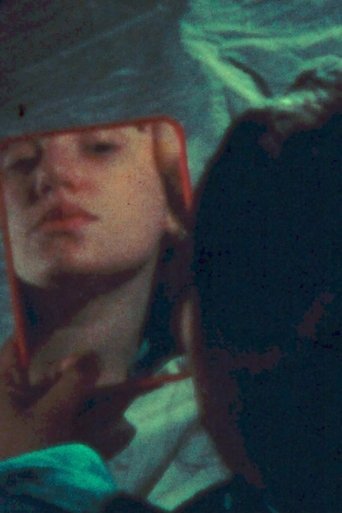
- In Anabasi there is a fantastic projection of something strictly private, autobiographical: the author's relationship with his wife, which is poetically transfigured and goes through a series of metamorphoses: woman-fruit, woman-earth, praying mantis. (…) The recurring places inhabited or traveled by the Woman are the House and the Garden, a physical and mental place that becomes, from time to time, a primeval Eden and a Labyrinth full of dark presences. The Woman walks through the Garden-Labyrinth in search of a lost symbiosis with nature. Continuously enters and exits the Oedipal Womb-House. The vineyard and the cosmos in formation and perennial metamorphosis spring from his own body. At times they seem to incorporate it within themselves, in a panic relationship of total identification. The Garden, the Vineyard, the Sun allude to solar and telluric symbolism, to the great seasonal myths of fertility.
- When was Anabasi released?
- 1981-06-01
Overview
In Anabasi there is a fantastic projection of something strictly private, autobiographical: the author's relationship with his wife, which is poetically transfigured and goes through a series of metamorphoses: woman-fruit, woman-earth, praying mantis. (…) The recurring places inhabited or traveled by the Woman are the House and the Garden, a physical and mental place that becomes, from time to time, a primeval Eden and a Labyrinth full of dark presences. The Woman walks through the Garden-Labyrinth in search of a lost symbiosis with nature. Continuously enters and exits the Oedipal Womb-House. The vineyard and the cosmos in formation and perennial metamorphosis spring from his own body. At times they seem to incorporate it within themselves, in a panic relationship of total identification. The Garden, the Vineyard, the Sun allude to solar and telluric symbolism, to the great seasonal myths of fertility.
